
Simple Ways to Keep Soil and Mulch in Place on a Hill
Garden edging solutions for sloped yards need to hold back soil, stop mulch from washing away, and create clear lines between lawn and planting beds. On a hill, gravity and rain work against you. The right layout, materials, and install steps can keep your beds neat and stable for years. Below, I break down what works best and how to do it the right way.
What You Need Before Starting
Before you install garden edging on a slope, take time to plan. Steep yards need more support than flat ones. Start by checking how steep the hill is and how water flows after rain.
Here is what you may need:
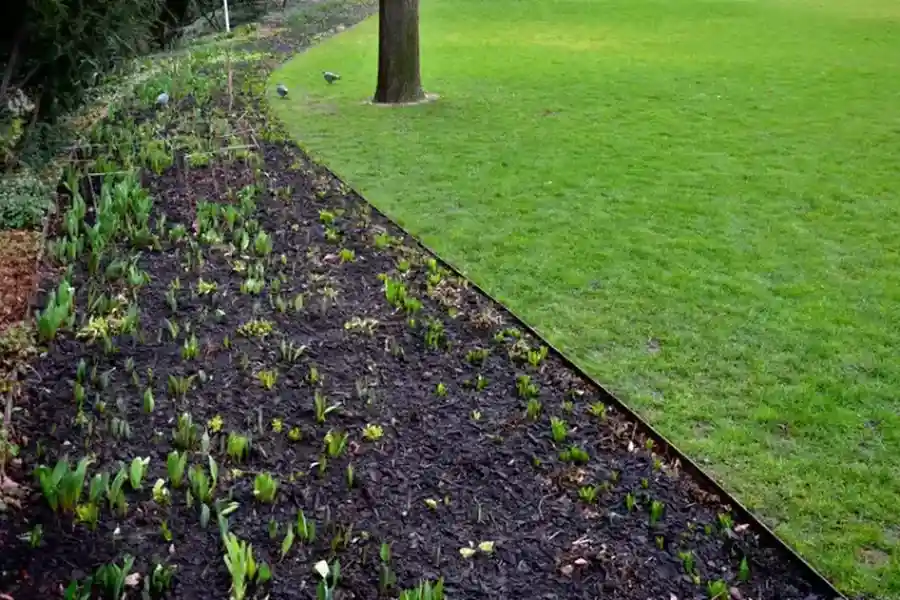
- Edging material such as metal, stone, concrete blocks, or heavy-duty plastic
- Gravel for drainage
- Landscape fabric
- Wood or metal stakes
- Level and rubber mallet
- Shovel and hand tamper
Stronger materials like steel or stone often work better on slopes. Thin plastic can bend or lift over time.
Step-by-Step Process for Installing on a Slope
Installing garden edging on a hill takes patience. You may need to cut into the slope to create a stable base.
-
Mark the line of your bed with spray paint or a garden hose.
-
Dig a shallow trench along the marked line. Make the bottom as level as possible step by step.
-
Add a layer of gravel for drainage and tamp it down.
-
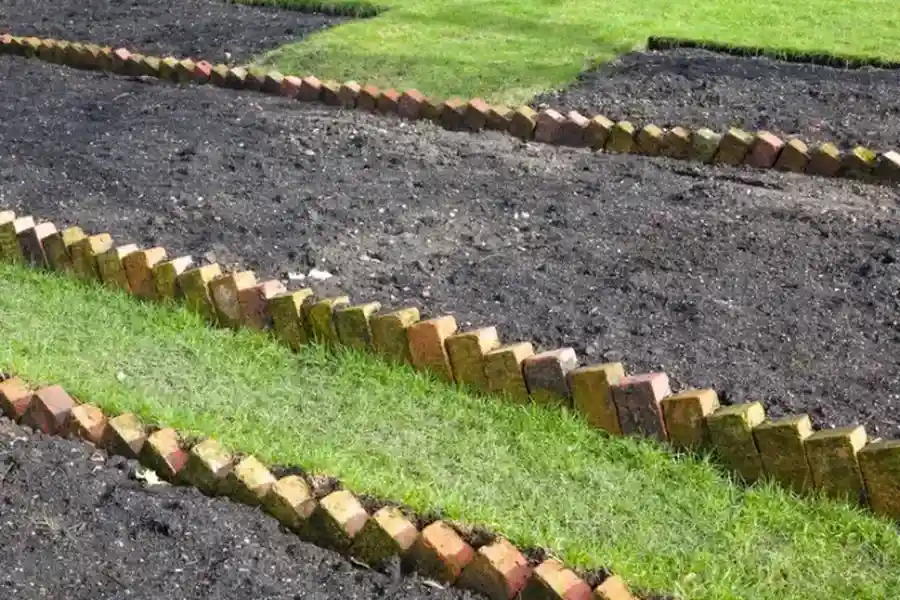
Place the edging material into the trench. On steep areas, create small level sections that step down the hill.
-
Secure the edging with stakes. Use more stakes than you would on flat ground.
-
Backfill with soil and pack it tight behind the edging.
This stepped method helps hold soil in place. It also keeps the edging from sliding downhill over time.
Common Mistakes to Avoid
Many sloped yard problems come from small install errors. Avoid these issues to help your garden edging last longer.
- Setting edging on loose soil without compacting it
- Skipping gravel for drainage
- Using short stakes on steep grades
- Running edging straight down the slope instead of stepping it
- Ignoring water runoff patterns
Water is the biggest challenge. If runoff pushes against the edging with force, it can shift or bow out.
Best Materials for Hills
Not all garden edging materials work well on slopes. Heavier products usually perform better.
Stone and concrete blocks are strong and resist movement. They are great for creating small retaining borders. Steel edging is flexible yet firm, making it a good choice for curved beds. Thick composite edging can also work when installed with strong anchoring.
If your yard has severe grading, you may need minor retaining wall features instead of basic lawn borders. This is where experience in can help tie the full landscape together so it drains well and stays stable.
When to Call a Professional
If your slope is steep or longer than a few feet, installing garden edging alone can be hard. You should also get help if:
- Soil keeps washing away after heavy rain
- The hill is uneven or has erosion damage
- You plan to stack stone or block higher than a few inches
- Drainage problems affect your home’s foundation
A trained installer can adjust grading, improve drainage, and secure the edging the right way. This can save money over time by preventing repeated repairs.
Final Thoughts and Local Help
If you have a sloped yard in Hyde Park, UT, I can help you choose garden edging that holds up against rain and gravity. At Edge Pro Decorative Landscape Curbing LLC, I install each project with care and attention to drainage so your beds stay neat and secure. Call (435) 999-8515 and speak with me directly to talk about your yard and set up a time to take a look.