
A Simple Barrier That Stops Roots and Runners From Taking Over
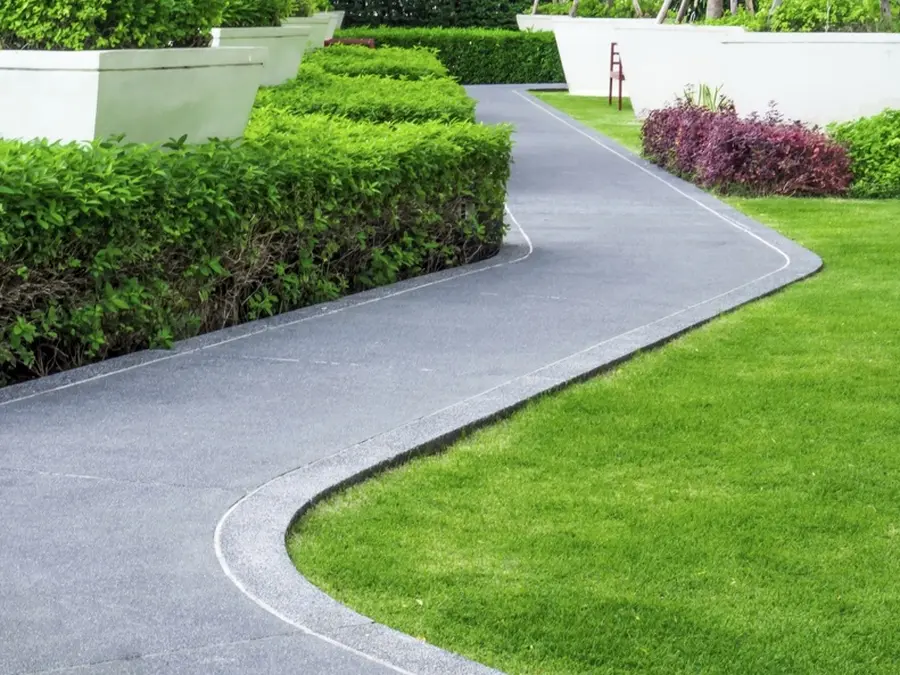
Concrete edging prevents grass and plant overgrowth by creating a solid barrier in the soil. That barrier blocks roots and fast-growing runners from spreading into flower beds, walkways, and driveways. When installed at the right depth and height, concrete edging guides growth where you want it and stops it where you do not. It also makes trimming and mowing easier, which helps you keep clean, sharp lines around your yard.
Why Prevention Matters
Grass and plants are built to spread. Many types send out shallow roots or horizontal runners. Without a barrier, they creep into garden beds and crack lines. Over time, this leads to more weeding, more trimming, and more stress on your landscape. A strong edge keeps lawn areas and planting beds separate. That clean break saves hours of yard work each month.
Concrete edging stands up to weather, water, and lawn equipment. Unlike plastic or thin metal strips, it does not shift easily. Once it sets in place, it stays firm for years with little upkeep.
Early Warning Signs of Overgrowth
You may need a better border if you notice these problems:
- Grass creeping into flower beds every few weeks
- Mulch mixing into the lawn after rain
- Uneven bed lines that are hard to mow around
- Roots pushing up along sidewalks or patios
- Cracks filling with weeds near driveways
These signs show your yard lacks a strong physical barrier. Without one, trimming becomes a never-ending task.
Seasonal or Routine Checklist
Even with concrete edging, you should check your yard each season. Simple upkeep keeps everything working as planned.
- Inspect edges in spring for soil washout or shifting.
- Remove built-up dirt that may let grass grow over the edge.
- Trim runners that try to grow above the border.
- Check for small cracks and seal them if needed.
- Reinforce nearby soil if erosion exposes the base.
This quick routine keeps the barrier effective and your yard looking neat.
Best Practices for Long-Term Results
Depth and placement matter. Concrete edging should extend several inches below the soil surface. That blocks underground roots from sneaking through. The top edge should sit slightly above the lawn line. This keeps grass from growing over it.
Good drainage is also key. Water should flow away from the edging, not pool against it. Standing water can weaken nearby soil over time. Pairing concrete edging with proper grading helps prevent shifting.
It also helps to shape smooth, flowing curves instead of sharp corners. Curves reduce weak stress points and make mowing easier.
If you are planning a full landscape upgrade, think about how edging works with other features. Patios, garden beds, and walkways all benefit from solid borders. Concrete edging ties these elements together and gives your yard a finished look.
What Not to Do
Some common mistakes can reduce results:
- Installing edging too shallow in the soil
- Leaving gaps between sections
- Skipping soil compaction before pouring
- Relying only on plastic or temporary borders
- Letting soil pile up above the edge height
These issues allow grass roots to cross over or under the barrier. A poorly installed border may look fine at first but fail within a year.
When to Schedule Professional Help
Small garden edges may seem simple to install. Larger projects require planning and skill. Long runs, curved designs, and sloped yards can be hard to manage alone. If overgrowth keeps coming back even after trimming and digging, you likely need a deeper and more stable solution.
Professional installation also helps when soil erosion is a problem. If water keeps moving dirt around your beds, edging must be reinforced and shaped correctly. A trained installer can set forms, prepare the base, and pour evenly. This gives you a long-lasting border that works with the rest of your landscape design.
Get Help for a Cleaner, Low-Maintenance Yard
If you are tired of fighting grass and plant spread in Hyde Park, UT, I can help create a clean, lasting barrier with concrete edging that fits your yard’s layout. At Edge Pro Decorative Landscape Curbing LLC, I focus on solid installation that blocks roots and keeps bed lines sharp for years. Call me at (435) 999-8515, and I will walk you through the next steps and help you decide if this is the right fix for your property.