
A Simple Border That Keeps Grass From Spreading Where It Should Not
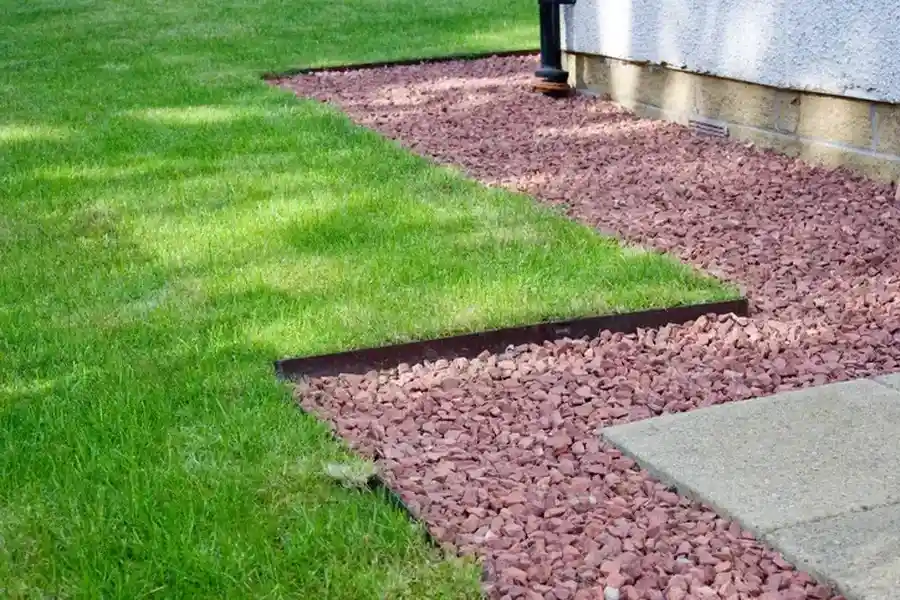
How lawn edging reduces grass overgrowth problems is simple. It creates a clear barrier between your grass and other areas like flower beds, sidewalks, or driveways. That barrier blocks roots and runners from spreading. It also makes trimming easier and keeps your yard looking neat. When the edges are clean, grass stays where it belongs instead of creeping into places you do not want it.
Common Signs Your Yard Has an Overgrowth Problem
Grass overgrowth is easy to spot once you know what to look for. It often starts small, then gets worse over time. You may notice:
- Grass creeping into flower beds
- Weeds mixing into lawn edges
- Uneven lines along sidewalks
- Grass growing over curbs or pavers
- Mulch areas shrinking each season
These signs show that your lawn has no clear stopping point. Without a border, grass roots spread outward and take over nearby spaces.
What Causes Grass to Spread Too Far
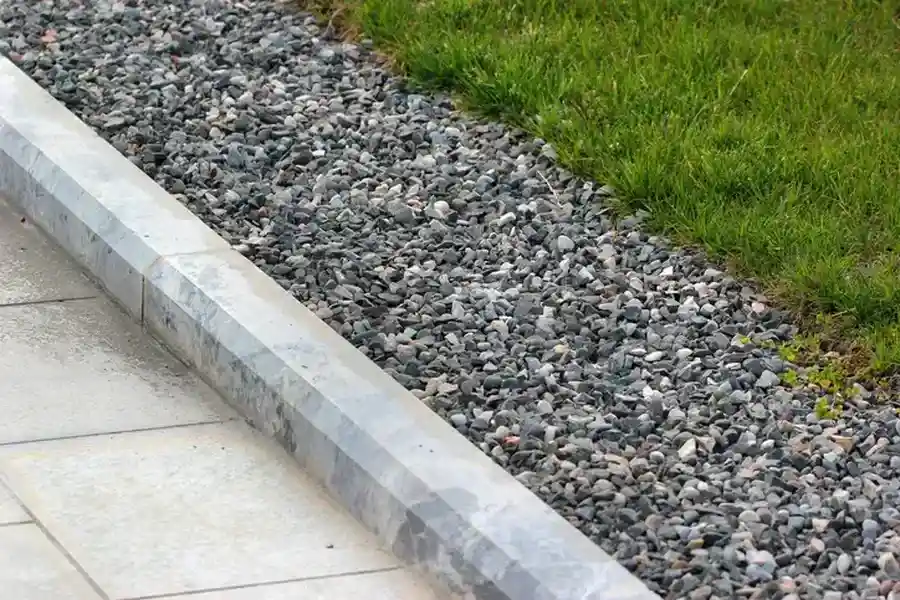
Grass spreads through roots, runners, and seeds. Some types grow fast and wide. When there is no barrier in place, they move into loose soil and mulch with ease. Rain and regular watering help them grow even faster.
Thin or damaged borders also cause problems. Plastic strips that shift, or worn-out edges that sink into the soil, stop doing their job. Over time, the line between lawn and garden fades away.
What to Check Before Fixing the Problem
Before installing lawn edging, look at the current condition of your yard. Check how far the grass has spread. See if old edging material is still in place but hidden. You should also check the soil level. If soil or mulch is higher than the lawn, grass can grow over the top of many borders.
It also helps to think about the type of you want. Some homeowners prefer metal or stone. Others like thick plastic or concrete. Each one creates a different look and level of control.
How Lawn Edging Solves the Issue
Lawn edging works by forming a firm divider. It gives grass roots a physical wall they cannot easily cross. When installed at the right depth, it blocks underground runners. It also creates a sharp visual line above ground.
Here is how it helps:
- Stops roots from spreading into beds
- Reduces time spent trimming
- Keeps mulch and soil in place
- Improves water control by guiding runoff
- Makes mowing faster and cleaner
With a clear border, your mower wheels can follow a steady path. You do not have to guess where the lawn ends. That alone cuts down on weekly maintenance work.
Safe Fixes You Can Try and When to Hire a Pro
If the overgrowth is minor, you can cut back the grass with a spade and install simple lawn edging on your own. Make sure to dig deep enough to block root growth. Most materials need to sit at least a few inches below the surface.
For larger yards or heavy root systems, professional tools may be needed. Thick turf can be hard to cut cleanly. Sloped lawns also require careful leveling. If edging is not straight or deep enough, grass will return within months.
A professional may also suggest upgrades based on soil type and drainage. That advice can prevent future problems and save money over time.
Tips to Prevent Overgrowth From Coming Back
Once lawn edging is in place, routine care keeps it working well. A few smart habits make a big difference:
- Check edges each season for shifting
- Keep mulch levels slightly below the top edge
- Trim along borders during regular mowing
- Remove runners as soon as they appear
- Avoid piling soil against the edging
Simple checks like these stop small problems before they spread. Grass grows fast during warm months, so early action matters.
Get Help With Clean, Lasting Borders
If you are dealing with grass that will not stay put in Hyde Park, UT, I can help create clean and lasting borders that fit your yard. At Edge Pro Decorative Landscape Curbing LLC, I focus on careful lawn edging that keeps beds neat and lawns under control. Call (435) 999-8515 to talk with me about your property and set up a visit.